
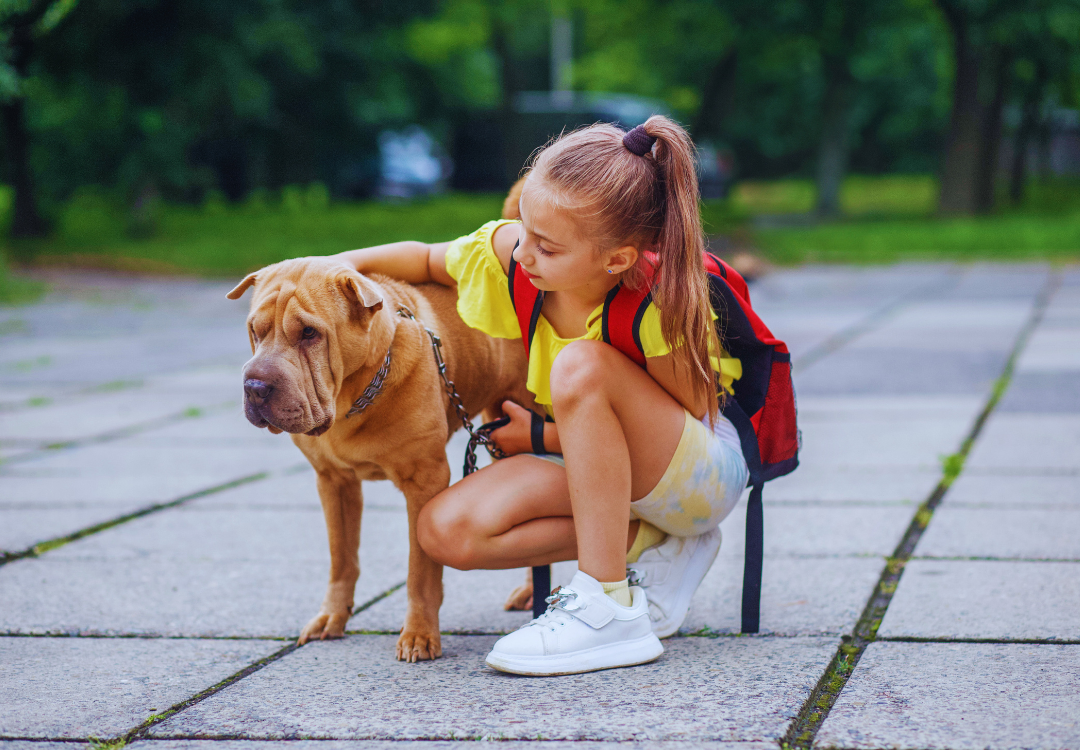
Back-to-school season can change a pet’s entire day. A home that was busy throughout the summer may suddenly become quiet for several hours, while feeding, walks, playtime and family routines may all shift at once.
Some pets adjust without much difficulty. Others may show signs of stress when family members begin leaving for longer periods. In dogs, a major routine change may reveal or worsen separation-related distress. Cats can also be affected by changes in household activity, although their signs may be less obvious.
Why back-to-school season can be difficult for pets
Pets experience routine through predictable patterns of activity and interaction. During summer, they may become accustomed to having family members home, receiving more attention and enjoying play or outdoor breaks throughout the day.
Once school begins, that pattern may change almost overnight. Mornings become busier, the house stays empty longer and familiar feeding or exercise times may shift.
Preferring company does not automatically mean a pet has separation anxiety. True separation-related distress involves fear or anxiety connected to a person’s departure or absence.
Signs of separation anxiety in dogs
A dog experiencing separation anxiety may show signs such as:
- Barking, whining or howling after family members leave
- Pacing, panting, drooling or an inability to settle
- Destructive behavior around doors, windows or other exit points
- Urinating or defecating indoors despite being house trained
- Attempts to escape a crate or room, sometimes resulting in injury
- Refusing food or treats while alone
- Becoming distressed as an owner picks up keys, puts on shoes or otherwise prepares to leave
These behaviors commonly begin shortly before departure or within the first 15 to 30 minutes after the dog is left alone. However, no single behavior or timeline confirms separation anxiety. Destruction, barking and house soiling can also have medical, environmental or behavioral causes.
Recording your dog while you are away can be extremely helpful. A video of the first 30 to 60 minutes may reveal pacing, panting, vocalizing or other signs that would otherwise be missed. It can also help your veterinarian distinguish separation distress from boredom, reactions to outdoor activity, confinement anxiety or another problem.
How cats may respond to routine changes
Cats do not always display stress in obvious ways. A cat affected by household changes may:
- Spend more time hiding
- Withdraw from normal interaction
- Become more vocal or unusually quiet
- Groom excessively, sometimes causing thinning hair or bald areas
- Change eating habits
- Urinate outside the litter box
These changes should not automatically be attributed to stress. Hiding, excessive grooming, appetite changes and litter box problems may also be signs of pain or illness.
Stress is one factor associated with feline idiopathic cystitis, a painful bladder condition that can cause frequent litter box trips, straining, blood in the urine or urination outside the box. Because bladder stones, infection and urinary obstruction can cause similar signs, a veterinary examination is important.
A cat that repeatedly strains while producing little or no urine needs emergency veterinary care, particularly if the cat is male.
What can help pets adjust?
Maintaining as much predictability as possible can make a household transition easier.
Introduce the schedule gradually
When possible, begin adjusting walks, feeding and quiet time before school starts. Short practice departures may also help a pet become accustomed to spending time alone without abruptly moving from constant company to a full day apart.
Practice absences should remain short enough that the pet stays calm. A dog already showing panic should not simply be left alone for increasingly long periods in the hope that it will adjust.
Provide appropriate enrichment
Puzzle feeders, frozen food toys, snuffle mats and treat-search games encourage pets to sniff, forage and work for food. These activities can provide mental stimulation and make part of the time alone more engaging.
Food toys may help dogs with mild distress form a more positive association with departures. A dog experiencing severe anxiety, however, may be too distressed to eat and will usually need more support than enrichment alone.
Rotate some toys occasionally to renew interest while leaving familiar favorites available. Choose durable items appropriate for your pet’s size and chewing habits, and test new toys while someone is home before leaving them unattended.
Meet physical and social needs
Mental enrichment does not replace regular physical activity, bathroom breaks or interaction. Before a long absence, provide an age-appropriate opportunity for exercise, sniffing and elimination.
Pets should also have access to water and a comfortable, secure place to rest. Cats benefit from predictable feeding and litter box care, along with quiet hiding and elevated resting spaces.
Check daycare or boarding requirements early
When daycare or boarding is part of the new schedule, ask the facility about its health requirements in advance.
Many facilities request current rabies, DHPP and Bordetella vaccination records. Some may also require canine influenza vaccination or a recent negative fecal test. Requirements vary, so confirm them directly with the facility before the planned drop-off date.
When to involve your veterinarian
Contact your veterinarian when your pet:
- Panics or becomes extremely distressed while alone
- Injures itself while attempting to escape
- Repeatedly destroys doors, windows, crates or other exit areas
- Stops eating during absences
- Develops ongoing house-soiling or litter box changes
- Hides, withdraws or grooms excessively
- Shows behavior that is becoming more frequent or severe
- Does not improve as the household settles into its new schedule
A veterinary evaluation can rule out pain, urinary disease, digestive problems and other medical causes. Your veterinarian can also help determine whether the behavior is related to separation, confinement, outside triggers, boredom or another source of stress.
Treatment for separation anxiety may include environmental changes, carefully planned behavior modification and, in moderate or severe cases, medication. Dogs with significant separation anxiety should not be punished or repeatedly exposed to absences that trigger panic. Treatment is intended to reduce fear, not simply stop the visible behavior.
Back-to-school season is a significant adjustment for the entire household, including its pets. A predictable routine, suitable enrichment and early attention to concerning behavior can help make the transition easier. When your pet appears genuinely distressed rather than mildly disappointed to see you leave, your veterinary team can help you decide what to do next.