
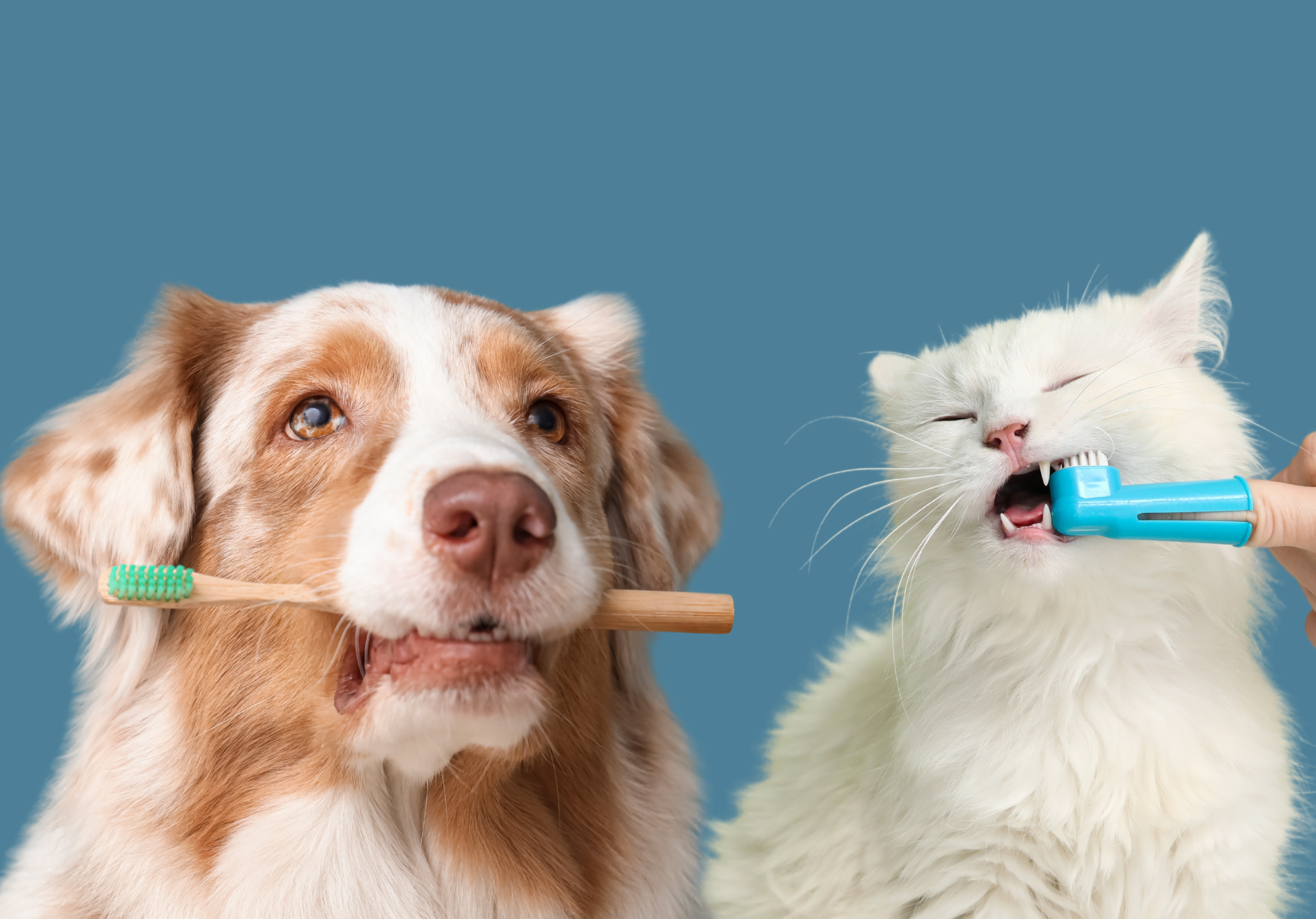
When your dog greets you with enthusiastic kisses or your cat purrs contentedly on your lap, bad breath might seem like a minor annoyance, just part of having a pet. But that unpleasant odor is often your pet’s way of telling you something is seriously wrong. Dental disease is one of the most common health problems veterinarians see, yet it’s also one of the most overlooked by pet owners. Understanding the hidden dangers lurking behind bad breath can help you protect your pet from pain, infection, and even life-threatening complications.
More Than Just Bad Breath
That distinctive “doggy breath” or foul odor from your cat’s mouth isn’t normal. It’s typically the first warning sign of dental disease. While we might joke about it or buy special treats to mask the smell, bad breath indicates bacteria are actively breaking down food particles, plaque, and gum tissue in your pet’s mouth. This bacterial activity doesn’t just cause odor; it creates an environment where infection can thrive and spread.
By the time you notice bad breath, dental disease has usually already begun. Plaque (a sticky film of bacteria) forms on teeth within hours of eating. If not removed through brushing or professional cleaning, plaque hardens into tartar within days. This rough, brown buildup provides the perfect surface for more bacteria to colonize, creating a destructive cycle that affects much more than just your pet’s mouth.
The Progression of Dental Disease
Dental disease typically progresses through several stages, each more serious than the last. It begins with gingivitis, an inflammation of the gums that causes redness, swelling, and bleeding. At this stage, the damage is still reversible with proper dental care. However, without intervention, gingivitis advances to periodontitis, a severe condition where infection spreads below the gum line, destroying the tissues and bone that support the teeth.
As periodontal disease progresses, your pet experiences increasing pain. Imagine having a constant toothache that you can’t communicate or treat. Pets are remarkably stoic about dental pain, often continuing to eat even when their mouths hurt terribly. They may show subtle signs like dropping food, chewing on one side, pawing at their face, or becoming less playful, but many pets hide their discomfort until the problem becomes severe.
In advanced cases, teeth become loose and may fall out or require extraction. Abscesses can form, causing facial swelling and severe pain. The infection can even create holes between the mouth and nasal passages, leading to chronic nasal discharge and infections.
The Body Wide Impact
Here’s what many pet owners don’t realize: dental disease doesn’t stay in the mouth. Every time your pet chews or swallows, bacteria from infected gums enter the bloodstream. These bacteria travel throughout the body, potentially causing serious damage to vital organs.
The heart is particularly vulnerable. Studies have shown a strong connection between dental disease and heart disease in pets. Bacteria can attach to heart valves, causing inflammation and potentially leading to endocarditis, a serious infection of the heart’s inner lining. This condition can compromise heart function and, in severe cases, become life threatening.
The kidneys and liver also suffer the consequences of untreated dental disease. As these organs work to filter bacteria and toxins from the bloodstream, they can become inflamed and damaged over time. Chronic kidney disease is already common in older pets, and dental disease accelerates this deterioration.
Research has even linked dental disease to increased risk of diabetes complications, respiratory infections, and weakened immune function. What starts as a little plaque on the teeth can cascade into multiple health problems that significantly shorten your pet’s life and diminish their quality of life.
Prevention Is Key
The good news is that dental disease is largely preventable. Regular dental care, both at home and professionally, can protect your pet from these hidden dangers.
At home dental care should ideally include daily tooth brushing. While this might sound daunting, most pets can learn to tolerate or even enjoy the routine, especially when started young. Use pet specific toothpaste (human toothpaste can be toxic to pets) and a soft bristled brush. Even brushing a few times a week makes a significant difference.
Dental chews, water additives, and special diets can provide additional support, though nothing replaces the mechanical action of brushing. Be selective about dental products and look for those recommended by veterinarians.
Professional dental cleanings performed by your veterinarian are essential, typically recommended annually for most pets. These cleanings require anesthesia to safely and thoroughly clean below the gum line where disease develops. Your veterinarian can also identify and address problems like fractured teeth, oral tumors, or advanced periodontal disease.
Take Action against dental disease Today
If you can’t remember the last time your pet had a dental exam, or if you’ve noticed bad breath, difficulty eating, or changes in behavior, schedule an appointment with your veterinarian. Dental disease progresses silently, and early intervention can prevent serious complications.
Your pet’s oral health is about much more than fresh breath. It’s about protecting their heart, kidneys, overall health, and quality of life. By understanding the hidden dangers of dental disease and committing to regular dental care, you’re giving your furry companion the gift of a healthier, longer, and more comfortable life.