
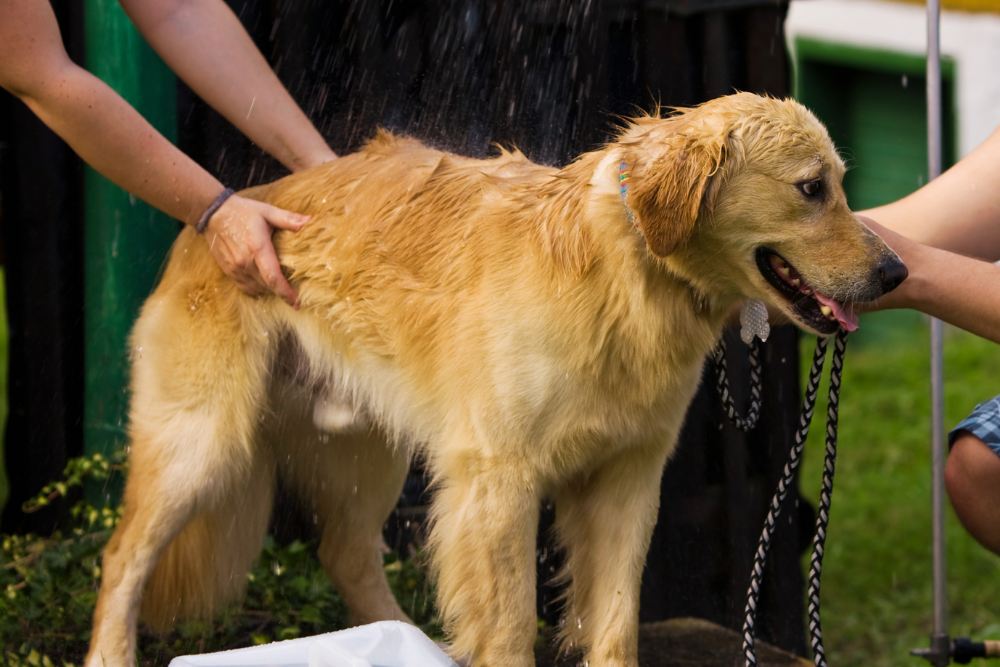
Oklahoma summers can become dangerous for pets quickly because high heat, humidity, hot pavement, and parked cars all increase the risk of heatstroke. Heatstroke in dogs and cats is more than simply “getting too hot.” It is a life-threatening medical emergency that happens when a pet’s body temperature rises too high and they cannot cool themselves effectively. When that happens, organ damage can occur quickly, which is why recognizing the signs early and acting fast can make a real difference.
What Causes Heatstroke in Dogs and Cats?
Unlike people, dogs and cats do not cool themselves by sweating all over their bodies. Dogs rely heavily on panting to regulate body temperature, and cats may pant when they are already stressed or overheated. When the air is hot and humid, panting becomes less effective. Add exercise, anxiety, direct sun, or a warm car, and a pet’s body temperature can climb dangerously fast.
Pets at Higher Risk During Hot Weather
Some pets are at higher risk for heatstroke. Brachycephalic, or short nosed, breeds such as French Bulldogs, English Bulldogs, Pugs, and Boston Terriers can struggle more in the heat because their airway anatomy makes cooling through panting less efficient.
Senior pets, puppies and kittens, overweight pets, thick coated dogs, and pets with heart, respiratory, or other medical conditions may also be more vulnerable. These pets may need shorter outdoor time, closer monitoring, and a more cautious summer routine.
Oklahoma Summer Heat Risks for Pets
Oklahoma pet owners should be especially careful during walks, car rides, outdoor play, lake days, and backyard time. A quick errand can become dangerous if a pet is left in a parked vehicle, even with the windows cracked. Cars can overheat quickly to dangerous temperatures, even on days that may not seem extreme.
Hot pavement is another common summer risk. Sidewalks, parking lots, and patios can hold heat and burn paw pads. If the ground feels too hot for your hand, it is too hot for your pet’s paws.
Signs of Heatstroke in Pets
Signs of heat stress or heatstroke may include:
- Excessive panting
- Heavy drooling
- Restlessness or distress
- Weakness or stumbling
- Vomiting or diarrhea
- Bright red, pale, blue, or abnormal looking gums
- Confusion or disorientation
- Collapse or seizures
These symptoms should never be ignored. Heatstroke can progress quickly, and pets need help right away.
What to Do if Your Pet Is Overheating
If you think your pet may be overheating, act immediately. Move them out of the heat and into shade or air conditioning. Offer small amounts of cool water if they are alert and able to drink. Begin cooling with cool water, not ice-cold water, and use airflow from a fan if available.
Do not use an ice bath, and do not wait to see if symptoms improve on their own. Call your veterinarian or an emergency clinic right away for guidance and care.
How to Prevent Heatstroke in Oklahoma Pets
Prevention is the best protection. Walk dogs early in the morning or later in the evening when temperatures and pavement are cooler. Keep outdoor time short during the hottest parts of the day. Always provide fresh water and shade. Avoid intense exercise in heat and humidity. Never leave a pet unattended in a parked car.
For high risk dogs, even a short potty break may be safer than outdoor play during peak heat. A few minutes of caution can help prevent a true emergency.
When to Call Your Veterinarian
If your pet is older, overweight, flat faced, or has a medical condition, talk with your veterinarian about a summer safety plan. And if your pet shows signs of heatstroke, do not wait. Contact our clinic or call an emergency pet hospital right away.
Your pet’s comfort and safety matter. During Oklahoma summers, recognizing the warning signs and acting quickly can save a life.