
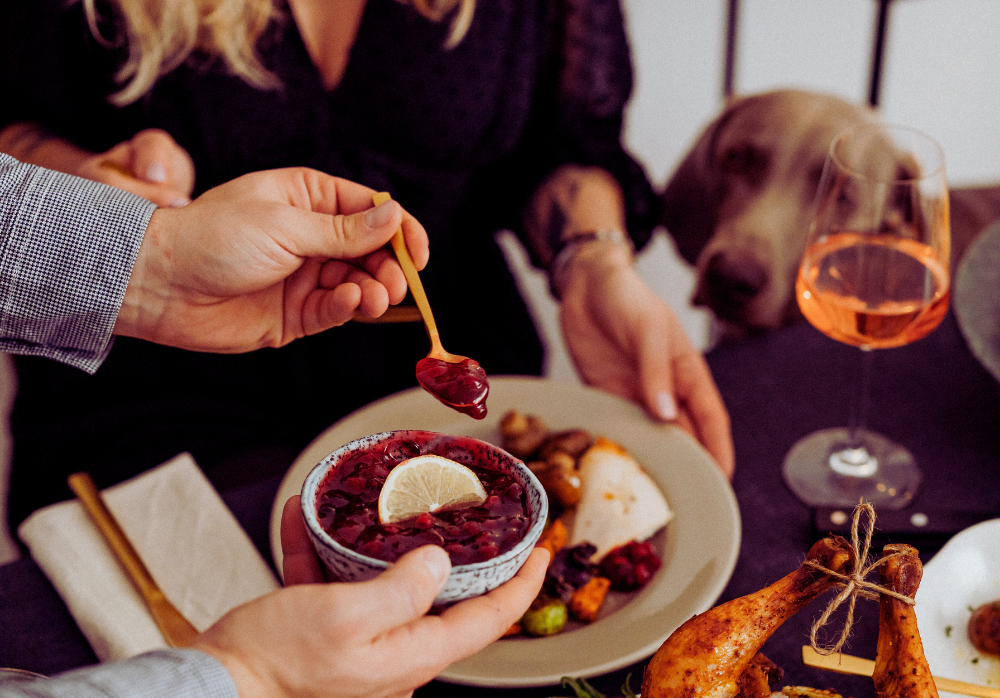
We love the holidays here at Wedgewood Pet Clinic. There’s something magical about this time of year! The decorations, the gatherings, the food (oh, the food!), and of course, spending extra time with the ones we love, including our furry family members, this is a time to celebrate!
But here’s the thing: there are holiday pet safety hazards to think about. While we’re busy decking the halls and planning festive meals, our pets are experiencing a whole different holiday season than we are. To them, the Christmas tree is a fascinating new climbing structure, that beautifully wrapped gift under the tree smells suspiciously like fish bait, and all those delicious holiday treats on the counter are just begging to be “taste-tested.”
We see it every year: the panicked calls, the emergency visits, the “I only looked away for a second” stories. And honestly? We get it. Life happens, especially during the holidays when routines go out the window and the house is full of distractions. That’s why we wanted to put together this holiday pet safety hazards guide. We aren’t here to lecture or scare you, but we do want to help you enjoy the season with your pets safely. Think of this as a friendly heads-up from your veterinary team who’s seen it all (and we do mean all, so no judgement!).
The Food Situation: When Good Intentions Go Bad
Let’s talk about the elephant in the room, or rather, the ham on the counter. Holiday gatherings mean incredible food, and it’s so tempting to share a little taste with those loving, pleading eyes staring up at you. Your aunt slips Buddy a piece of turkey under the table. Your kid “accidentally” drops a cookie. Grandma insists that “just a little won’t hurt.”
But here’s what we need you to know: some of those holiday favorites can be downright hazardous for our pets, and unfortunately, we see the consequences far too often during the holiday season.
Chocolate – The Classic Culprit and ultimate Holiday Pet Safety Hazard
You’ve probably heard this one before, but it bears repeating because we still see chocolate toxicity cases every single holiday season. The darker the chocolate, the more dangerous it is for your pet. That fancy dark chocolate bar Aunt Susan brought? Extra risky. The theobromine in chocolate can cause everything from vomiting and diarrhea to rapid heart rate, seizures, and in severe cases, death. And before you think “my dog got into chocolate once and was fine”, the dose matters, and it’s never worth the gamble.
Grapes and Raisins – Small But Mighty Dangerous Hazards
These innocent-looking fruits show up everywhere during the holidays: fruit cakes, salads, cookies, trail mix. The scary part? Even a small amount can cause acute kidney failure in dogs, and we still don’t fully understand why some dogs are affected more severely than others. There’s no known “safe” amount, so our advice is simple: keep them completely away from your pets.
The Fatty Food Problem that’s Not so festive during the holidays
Now this is where things get tricky, because it’s not always about “toxic” foods, sometimes it’s about too much of a good thing. That crispy turkey skin, the ham with all that delicious fat, the gravy, the buttery mashed potatoes, these rich, fatty foods can trigger pancreatitis in dogs and cats. Pancreatitis is incredibly painful and can be life-threatening. We see it spike during the holidays, and it often happens because someone thought “just this once” or didn’t realize how rich the food really was.
And while we’re on the subject of turkey dinner, those bones? Just say no. Never give bones to your pets. They can splinter and cause choking, intestinal blockages, or even perforate the digestive tract. It’s simply not worth the risk. You can read more in depth about the various bone scenarios we see every day in this article here by Dr. Debra Lichtenburg, VMD. It goes beyond the “obvious” reasons.
The Sneaky Dangers Hiding in Holiday Treats
Beyond the obvious culprits, there are some other common holiday ingredients that can spell trouble. Xylitol is the one that really keeps us up at night. This artificial sweetener is in so many sugar-free baked goods, candies, and even some peanut butters. It can cause severe hypoglycemia (dangerously low blood sugar) and liver failure in dogs, and even a small amount can be deadly.
Alcohol might seem obvious, but you’d be surprised how many pets get into unattended drinks by accident at parties or more commonly are licking up spills. Even small amounts can cause serious intoxication in pets – their bodies just can’t process it like ours do. Onions and garlic often hide in holiday dishes like stuffing, casseroles, and gravies, and they can damage red blood cells and cause anemia, especially in cats. And macadamia nuts, often found in cookies and desserts, can cause weakness, vomiting, tremors, and hyperthermia in dogs.
So what do you do with all this information? We’re not saying you can’t enjoy your holiday feast, just keep the people food for people, warn your guests not to share table scraps (we know, those begging eyes are hard to resist), and keep everything out of reach. Trust us, a few minutes of those sad puppy eyes are way better than a trip to the emergency vet.
Holiday Plants: Pretty But Problematic
Enough about the food! Let’s talk about those gorgeous holiday plants that add so much festive cheer to our homes. You bring them in with the best intentions, they’re beautiful, they smell amazing, they make the house feel festive. But to your curious cat or investigative dog, they’re just another interesting thing to chew on.
The Poinsettia Myth (Sort Of)
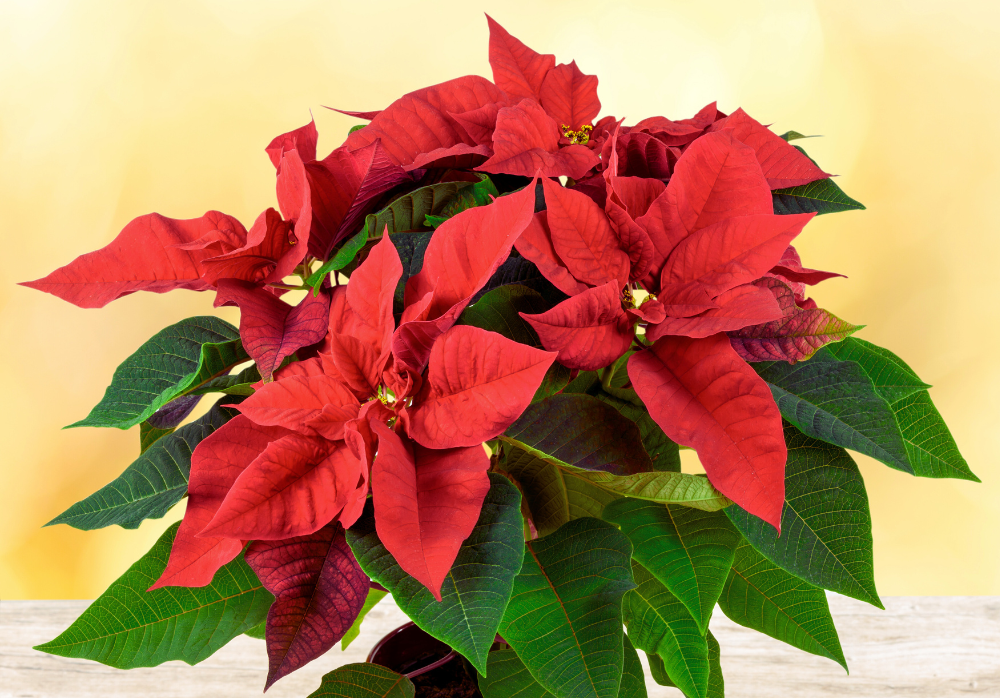
Here’s something interesting: poinsettias have this reputation for being extremely deadly to pets, and honestly, it’s a bit exaggerated. Don’t get us wrong, you still don’t want your pet eating them, but they typically cause mild to moderate gastrointestinal upset rather than life-threatening emergencies. We’re talking vomiting, drooling, diarrhea, and irritation from that white sap. Unpleasant? Absolutely. Usually deadly? No. But why risk even the unpleasant stuff? There are other plants that actually are much more dangerous.
Holly might look festive with those bright red berries, but both the berries and leaves can cause vomiting, diarrhea, and lethargy in pets who decide to sample them. Mistletoe is the one that worries us more, depending on the variety, it can cause anything from severe vomiting and diarrhea to difficulty breathing and even heart problems. That romantic kissing tradition? Not so romantic when it lands your pet in the emergency room.
Lilies deserve special mention, especially for cat owners. If you have cats, please, please keep lilies out of your house entirely. They’re extremely toxic to cats and can cause kidney failure. Even small exposures, a nibble of a leaf, drinking water from the vase, can be dangerous. Amaryllis is another popular holiday plant that can cause vomiting, diarrhea, abdominal pain, and tremors if ingested.
.
And here’s one people don’t always think about: Christmas tree water. That water sitting in the base of your tree? It can contain fertilizers, preservatives, bacteria, and who knows what else. Keep it covered or blocked off so pets can’t drink it. Also, those pine needles that fall off? They can puncture intestines if swallowed, so try to keep them swept up.
The solution? Artificial plants are your friend during the holidays, or you can keep live plants completely out of reach, and we mean really out of reach, not “I think the cat can’t get up there” out of reach. If you want some greenery that’s actually pet-safe, consider Christmas cacti or spider plants instead.
Now, while we’re talking about things in your home that might cause problems, let’s move on to all those beautiful decorations..
When Your Holiday Décor Becomes a Disaster
You’ve spent hours making your home look like a winter wonderland. The tree is perfectly decorated, the lights are twinkling, there are candles creating that cozy ambiance, and everything looks Instagram-worthy. And then your cat decides the tinsel is the best toy ever invented, or your dog mistakes a glass ornament for a ball. We’ve seen it all, and we’re here to help you decorate in a way that keeps everyone safe.
The Electrical Hazards
String lights are beautiful, but they’re also tempting chew toys for curious pets. We’re talking about electrical cords at pet level, just waiting to be gnawed on. The consequences? Electric shock, burns to the mouth, or in the worst cases, electrocution. The fix is pretty simple though, secure those cords out of reach, use cord covers, and don’t drape those lights where your puppy can easily access them. It’s not worth the risk for the perfect lighting setup.
The Tinsel Problem
If you have cats, just skip the tinsel. We know it’s sparkly and festive and fun, but cats are absolutely obsessed with it, and when they eat it (and they will eat it), it can cause serious intestinal blockages that often require surgery. It’s one of those things that seems harmless until you’re faced with a very sick cat and a very expensive veterinary bill, and trust us, we see this ALL THE TIME. Same goes for ribbon, string, and yarn, anything shiny and dangly is a cat magnet and a potential surgical emergency.
Candles and Open Flames
Picture this: wagging tail meets lit candle. Or curious cat jumps on table where candle is burning. It happens faster than you’d think, and the results can be burns or even house fires. LED flameless candles give you all the ambiance without any of the danger. Your pets (and your homeowner’s insurance) will thank you.
Breakable Ornaments and the Tree Situation
Glass ornaments when they hit the floor and shatter, they create sharp edges that can cut paws and mouths. If you’ve got pets, consider keeping the breakable ornaments higher up on the tree where they’re less likely to be knocked off, and use shatterproof ornaments on the lower branches. And speaking of the tree, make sure it’s anchored securely. A toppling Christmas tree is no joke, and we see injuries from this every year.
The Gift Wrap Illusion
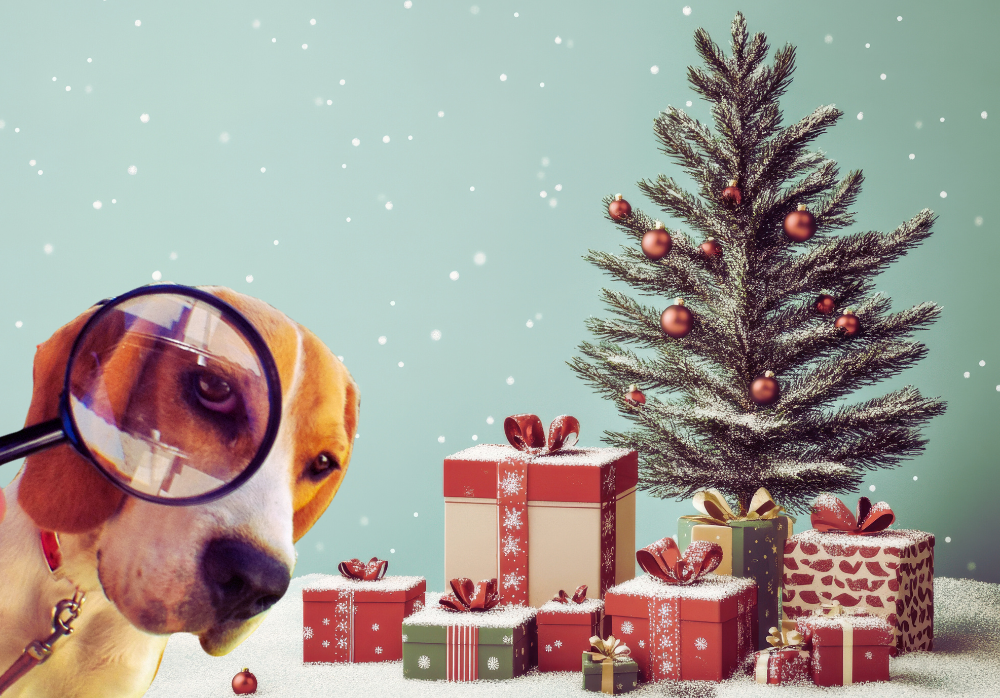
Wrapping gifts doesn’t actually keep them safe from your dog’s incredible sense of smell. You might think that beautifully wrapped package is hidden, but your dog knows exactly what’s inside if it smells interesting. Dogs are naturally exploratory; they’re basically fuzzy detectives. They will investigate packages that contain makeup, lotions, food items (yes, even fish food!), small toys, tennis balls, medications, chocolate, or anything else that catches their nose’s attention.
The solution? Keep wrapped gifts in a closed room, up high, or somewhere your pets truly can’t access them until it’s time to open presents. We’ve seen dogs unwrap entire Christmas mornings before the family even wakes up, and while the video might be funny, the emergency vet visit for eating something toxic definitely isn’t.
Oklahoma Winter: When It’s 70° One Day and 20° the Next
Look, we know Oklahoma winters aren’t like Minnesota or Colorado. We’re not dealing with feet of snow and subzero temperatures for months on end. But here’s the thing, Oklahoma winter weather is unpredictable, and that actually creates its own challenges for pet care. You might be wearing shorts one day and scraping ice off your car the next. Our pets feel these temperature swings too, and they need our help adjusting.
Paw Care and the Ice Melt Problem
When we do get those cold snaps and icy conditions, the pavement, sidewalks, and especially chemical deicers can really do a number on your pet’s paws. We’re talking about cracks, burns, and serious irritation. Even if your dog has thick paw pads, those chemicals are harsh.
Here’s what we recommend: trim the hair between your pet’s paw pads to prevent ice and snow from building up in there. When you come back from walks, wipe their paws with a damp cloth to remove any salt or chemicals they’ve accidentally walked through. If you’re going to be out for a while or your dog has sensitive paws, consider dog booties. Yes, your dog might look at you like you’ve lost your mind the first time you put them on, but they work.
And here’s an Oklahoma-specific tip that we love: instead of using chemical deicers on your own property, use cat litter for traction. It’s safer for paws, better for the environment, and it works just fine for giving you grip on icy surfaces.
Cold Weather Isn’t One-Size-Fits-All
Not all dogs are created equal when it comes to cold tolerance. Your Husky is going to handle a 30-degree day very differently than your Chihuahua. Smaller dogs, short-haired breeds, puppies, and senior pets are especially vulnerable to hypothermia and frostbite. Even dogs with thick coats can suffer if they’re out too long in wet, cold conditions.
Pay attention to your individual pet. If they’re shivering, lifting their paws, seem anxious to go back inside, or are moving slowly, it’s too cold for them. Dog jackets and sweaters aren’t just fashion statements, they actually help, especially for those smaller or short-haired dogs. And please, never leave your pets in cold cars. Just like cars can become dangerously hot in summer, they can become dangerously cold in winter. A good rule of thumb: if it’s too cold for you; it’s too cold for them!
The key with Oklahoma weather is flexibility. What was comfortable for your morning walk yesterday at Paw OK Dog Park, Midtown Mutts, or Myriad Gardens might not be too comfortable later the same day. Check the temperature, check the wind chill, and adjust accordingly. Your pet is relying on you to make those calls.
Let’s Make It a Great Holiday Season Together
Look, we know this article covered a lot of potential problems. We’re not trying to make you paranoid or take all the fun out of the holidays. The truth is, with a little awareness and some simple precautions, you and your pets can have a wonderful, safe holiday season together.
Most of what we’ve talked about comes down to being thoughtful about what’s in your pet’s environment, staying alert to potential hazards, and knowing when to ask for help. You know your pet better than anyone – trust your instincts. If something seems off, it probably is, and you should call us!
From all of us at Wedgewood Pet Clinic, we’re wishing you, your family, and your pets a wonderful, safe, and happy holiday season. Thank you for trusting us with your beloved companions throughout 2025! We can’t wait to see what 2026 brings for all of us.
Have questions? Concerns? Need advice about something we didn’t cover? Contact us. We’re always here to help.
Proudly serving the Oklahoma City metro area with compassionate, comprehensive veterinary care for your dogs and cats.