
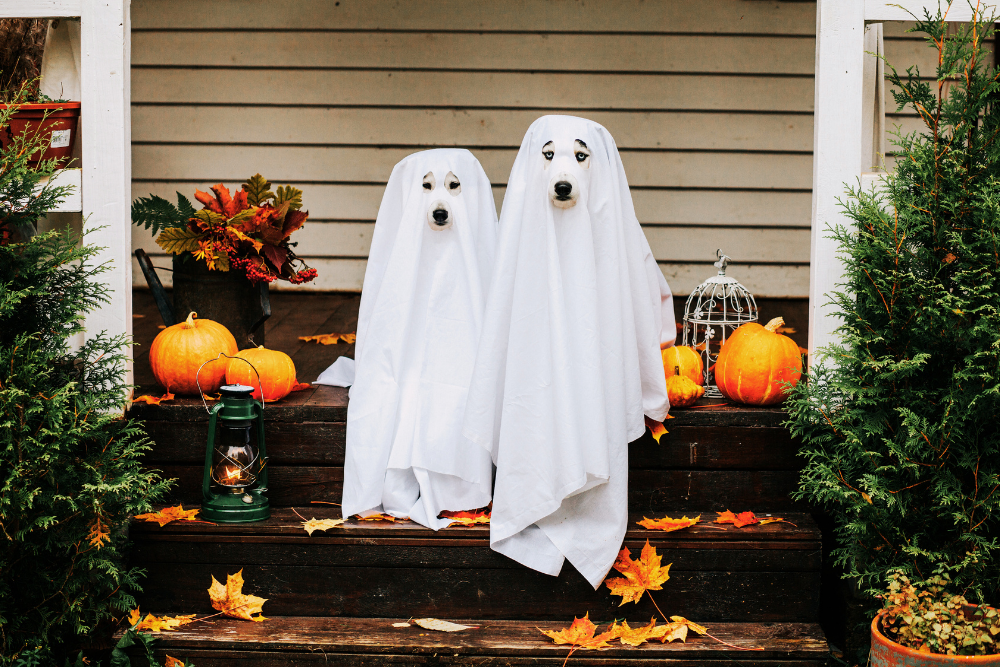
Halloween brings candy, costumes, decorations, and a steady stream of visitors to the front door; for pets, that can also mean plenty of opportunities to get into something they shouldn’t.
Most Halloween problems are preventable if you know what to watch for. Here are some of the biggest hazards for dogs and cats, along with a few things Oklahoma City pet owners can do to make the night easier on everyone.
Keep the Candy Away From Pets
Chocolate
Chocolate contains theobromine along with caffeine, which dogs process differently than people do.
The darker the chocolate, the greater the concern. Baking chocolate and dark chocolate contain much more theobromine than milk chocolate. White chocolate contains very little, but that still does not make it a good treat for pets.
Signs of chocolate toxicity can include vomiting, diarrhea, restlessness, panting, an increased heart rate, tremors, and, in serious cases, seizures.
If your dog gets into chocolate, call your veterinarian and let them know what kind was eaten, approximately how much, when it happened, and your dog’s weight. Don’t wait for symptoms before calling.
Sugar-Free Candy, Gum and Xylitol
Sugar-free does not necessarily mean pet safe.
Xylitol is a sweetener found in some sugar-free gum, mints, candies, baked goods, and certain peanut and nut butters. You may also see it listed as “birch sugar.”
In dogs, xylitol can cause blood sugar to drop dangerously low very quickly. Larger exposures can also cause serious liver damage.
Vomiting, weakness, stumbling, trembling, collapse, and seizures can all occur.
If xylitol may be involved, call right away rather than waiting to see how your dog feels.
And remember, gum and mints are not always sitting in the candy bowl. They may be tucked into a purse, backpack, or coat pocket that gets dropped on the floor after a long night of trick-or-treating.
Grapes and Raisins
Raisins can turn up in snack boxes, baked goods, and chocolate-covered treats.
Grapes and raisins can cause serious kidney problems in dogs, and the amount that causes a reaction can vary from one dog to another. If your dog eats grapes or raisins, contact your veterinarian promptly.
Wrappers, Lollipop Sticks and Other Things Dogs Swallow Whole
Dogs rarely stop to unwrap something before eating it.
Candy wrappers, foil, plastic, lollipop sticks, and other small pieces can become choking hazards or cause problems within the stomach and intestines.
Sometimes a blockage is obvious right away. Other times, signs such as vomiting, loss of appetite, abdominal discomfort, or difficulty passing stool do not show up until later.
If you know your pet swallowed part of the packaging along with the treat, mention that when you call.
Decorations Can Cause Problems Too
Candy usually gets most of the attention, but Halloween decorations deserve a little consideration too.
Glow Sticks and Glow Jewelry
Cats seem especially interested in these.
The liquid inside glow sticks tastes extremely bitter. A pet who bites into one may suddenly drool, foam at the mouth, or act frantic.
These exposures are often more dramatic-looking than dangerous, but call your veterinarian if your pet bites into one, gets the liquid in their eyes, or swallows pieces of the plastic.
Candles and Jack O’ Lanterns
A waving tail or curious cat can knock over a candle surprisingly fast.
Battery-operated lights are an easy way to light pumpkins and decorations without adding an open flame around pets.
Old pumpkins can also become a problem once they start breaking down. Toss carved pumpkins when they begin to rot, and keep pets away from decorated pumpkins that contain paint, glue, glitter, or other craft materials.
Fake Cobwebs, Ribbon and String
Watch these closely, especially with cats.
String, ribbon, tinsel and stretchy fake cobweb material can cause serious intestinal problems if swallowed.
Small plastic spiders, eyeballs, and other decorations can also look like toys to pets but become choking or swallowing hazards instead.
Electrical Cords
Halloween lights, moving decorations and animatronics often mean extra cords around the house.
Secure cords where possible, especially if you have a teething puppy or a cat who likes to chew. Unplug decorations when you are not home to supervise.
Does Your Pet Actually Want to Wear That Costume?
Some pets love the attention. Others would very much like you to take the dinosaur costume off immediately.
A costume should never interfere with your pet’s ability to see, hear, breathe, eat, drink, walk normally, or go to the bathroom.
Before Halloween, let your pet try the costume on at home for a few minutes.
Watch for signs of discomfort, including freezing in place, repeatedly licking their lips, yawning, pinning their ears back, tucking their tail, or trying to escape the costume.
If your pet clearly isn’t enjoying it, skip the costume. A Halloween bandana or festive collar can still get the point across without making the evening stressful.
Avoid costumes with tight elastic, dangling pieces, bells, buttons, or decorations that can be chewed off and swallowed.
If you will be outside after dark, reflective material or a light on the leash can also make your pet easier to see.
The Front Door May Be the Biggest Problem of the Night
For some pets, Halloween isn’t really about candy at all.
It’s the doorbell.
Over and over.
Then strangers appear wearing masks, carrying bags and making noise on the porch.
Even pets who are normally friendly can become overwhelmed.
Before trick-or-treaters arrive, decide where your pet will be safest. For some animals, that means spending the evening in a bedroom or another quiet room with water, bedding, background noise, and a favorite toy or chew.
If your pet will stay near the main part of the house, consider using a baby gate, a closed interior door, or a leash as an extra barrier between them and the front door.
Door dashing happens quickly, and indoor cats can slip outside just as easily as dogs.
This is also a good time to check collars and ID tags and make sure your pet’s microchip contact information remains up to date.
Cats who normally spend time outdoors are safest inside on Halloween night.
Cats Need a Halloween Plan Too
Cats are less likely than dogs to raid the candy bowl, but Halloween still comes with plenty of cat-specific trouble.
Glow sticks, ribbon, fake cobwebs, strings, and small decorations can all become tempting toys.
Some cats also find the noise and visitors extremely stressful and may spend the evening hiding.
If you know your cat dislikes guests, give them a quiet room before the activity starts rather than waiting until they are already frightened.
Keep an eye on them over the next day or two. Changes in appetite, hiding more than usual, or changes in litter box habits can be signs that something is bothering them.
A Few Fall Hazards Outside the House
Halloween falls in the middle of a season when dogs spend more time outside as Oklahoma temperatures begin to cool.
That brings a few additional things to watch for.
Acorns can cause stomach upset, and whole acorns may become a choking or intestinal blockage risk, particularly for smaller dogs.
Dried grass seed heads and grass awns can become lodged between toes or in ears, noses, and around the eyes. After walks through tall or overgrown grass, quickly check your dog’s paws, ears, and coat.
Fall is also a good time to be cautious when pets investigate wood piles, sheds, garages, and other quiet spaces where spiders and other pests may hide.
If Your Pet Eats Something They Shouldn’t
Call your veterinarian rather than guessing how serious an exposure might be.
If you can, have this information ready:
- What your pet ate
- The packaging or ingredient label
- Approximately how much was eaten.
- When it happened
- Your pet’s approximate weight
Do not try to make your pet vomit or give a home remedy unless a veterinarian specifically tells you to. The safest next step depends on what was swallowed, how much, and your individual pet.
Wedgewood Pet Clinic is open seven days a week from 8 AM to 6 PM, including Halloween.
Call us at (405) 848-3329.
After hours, contact your nearest emergency animal hospital. Pet poison control services are also available 24 hours a day. You can reach the ASPCA Animal Poison Control Center at (888) 426-4435 and the Pet Poison Helpline at (855) 764-7661. Consultation fees may apply.
A Few Things to Check Before Halloween Night
Before the first trick-or-treater reaches the door, make sure:
- Candy and trick-or-treat bags are out of your pet’s reach.
- Sugar-free gum and mints are not sitting in accessible purses or backpacks.
- Replace candles with pet-safer battery-operated lights where possible.
- Costumes fit comfortably and do not restrict movement or vision.
- Your pet has a quiet place to go if the evening becomes overwhelming.
- A barrier separates pets from the front door.
- ID tags and microchip information are up to date.
- Old or rotting pumpkins are thrown away.
Common Halloween Pet Safety Questions
How much chocolate is toxic to a dog?
It depends on the type of chocolate, how much was eaten, and the dog’s size.
Dark chocolate and baking chocolate are much more concerning than milk chocolate. Instead of trying to calculate the risk yourself, call your veterinarian with the package information and your dog’s approximate weight.
Is sugar-free candy dangerous for dogs?
It can be.
Check the ingredients for xylitol, which may also appear as “birch sugar.” Xylitol can cause a dangerous drop in blood sugar in dogs and may also damage the liver.
Can cats eat Halloween candy?
Halloween candy away from cats, too.
Cats may be less interested in sweets than dogs, but chocolate, wrappers, string, ribbon, and other Halloween items can still cause problems.
Should I take my dog trick-or-treating?
That depends on your dog.
A dog who is comfortable around children, crowds, costumes, unfamiliar people, and lots of activity may enjoy a short outing. A nervous, reactive, or easily overwhelmed dog will probably have a much better Halloween at home.
Pay attention to the dog you actually have, not the Halloween photo you were hoping to take.
Have a Safe Halloween
A little preparation can prevent many of the problems veterinarians see around Halloween.
Keep the candy up, check decorations from your pet’s point of view, have a plan for the front door, and let pets skip the festivities if that’s what makes them comfortable.
If you have questions about your pet or think they may have gotten into something they shouldn’t have, call Wedgewood Pet Clinic at (405) 848-3329 or visit wedgewoodpetclinic.com.