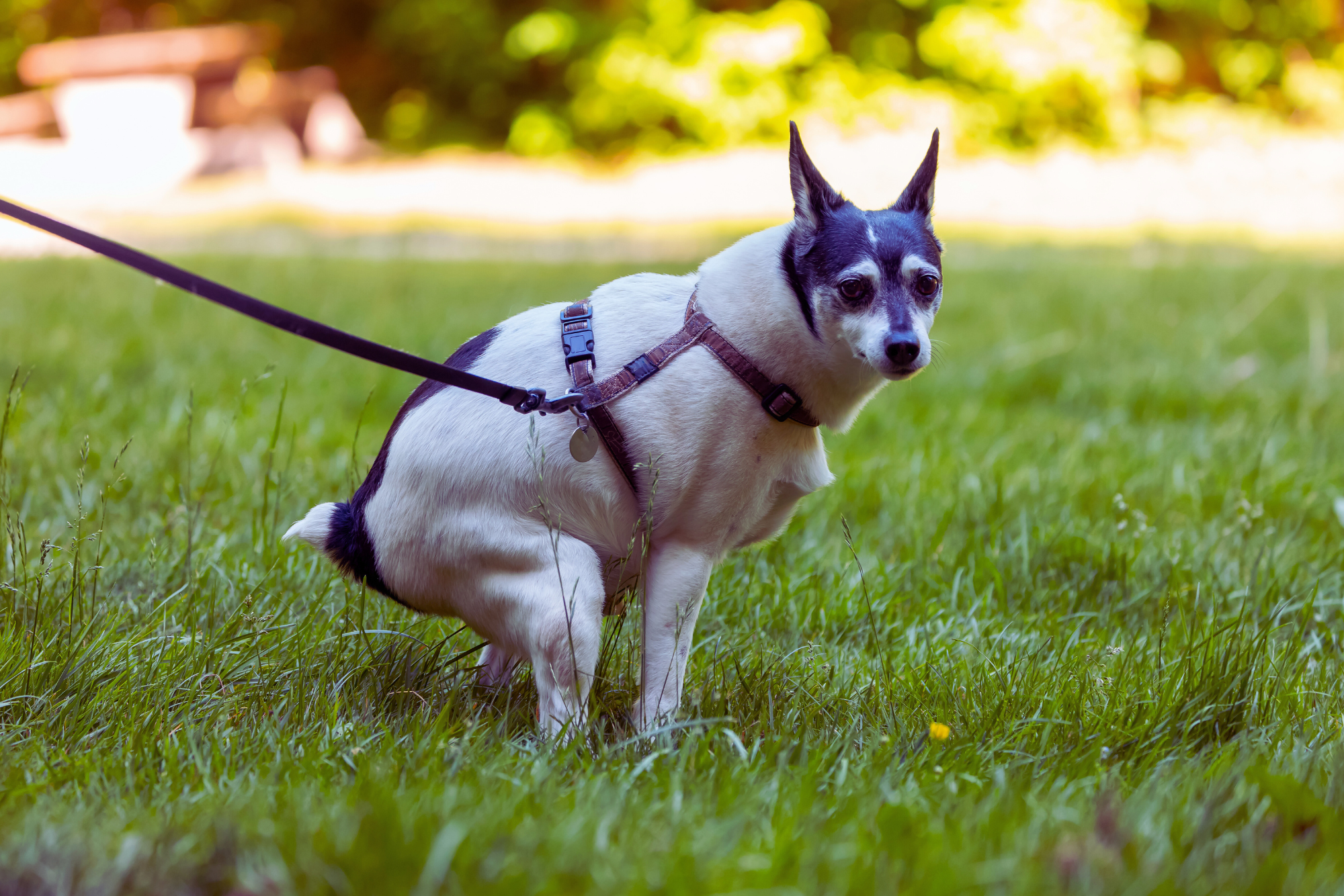
We know. It’s not the most glamorous topic. But if you are a pet owner in Oklahoma City, this one is worth reading all the way through. There are several reasons to pick up after your dog. It goes beyond being polite to your neighbors.
Pet waste is a public health issue, a water quality issue, and a community issue. And the good news is that the solution is as simple as a bag and a trash can.
It Is Not Just a Courtesy Issue
Most people understand that leaving pet waste on a sidewalk or in a neighbor’s yard is inconsiderate. But the health angle is the part that does not get talked about nearly enough.
Pet feces can harbor a range of parasites and bacteria that survive in the soil long after the waste itself has broken down. We are talking about organisms like giardia, roundworms, hookworms, E. coli, and salmonella. None of which are visible to the naked eye and none of which go away on their own quickly.
According to the CDC, roundworm eggs can accumulate in soil where pets have gone to the bathroom and remain there for extended periods of time. Children who play in contaminated soil and then touch their mouths can ingest those eggs without anyone realizing it. Hookworm larvae take it a step further. They can actually penetrate bare skin. This means a child walking barefoot in a yard where waste has not been cleaned up is at real risk.
This is not meant to alarm you. It is meant to give you a clear picture of why what seems like a small habit actually matters quite a bit for the people and animals around you.
Your Pets Are at Risk Too
It is not just people. Dogs and cats who spend time in yards or parks where waste has been left behind can pick up parasites from the environment even if they never come into direct contact with another animal’s feces. Parasite eggs and larvae in soil are one of the most common ways pets become reinfected even after they have been successfully treated.
Giardia in particular is stubborn. It spreads easily in environments where waste is not cleaned up consistently, and it can cause persistent digestive problems in dogs and cats that are frustrating for both the pet and the owner to deal with.
Keeping your yard and the shared spaces your pet uses clean is one of the simplest things you can do to protect their health between vet visits.
The Water Quality Issue Nobody Talks About
Here is something that surprises most people. Pet waste is not a natural fertilizer. It is raw sewage.
Unlike cow manure, which is commonly used in agriculture, dog feces is high in nitrogen and phosphorus in concentrations that actually harm grass and soil rather than enrich it. But the bigger concern is what happens when it rains.
When pet waste is left on the ground, rainwater and runoff carry the bacteria and nutrients from that waste directly into storm drains. In most cities, storm drains flow directly into local waterways without any treatment. That means the bacteria from pet waste left in your yard or on the sidewalk can end up in the creeks, ponds, and lakes in your community.
A USGS study of streams and creeks in the Kansas City region found that bacteria from pet waste accounted for roughly one quarter of all bacteria collected from local waterways. That is one metro area. The numbers add up fast.
None of that happens when waste is picked up and disposed of properly. It really is that straightforward.
Shared Spaces Belong to Everyone
Dog parks, walking trails, neighborhood sidewalks, greenbelts, and community yards are spaces that everyone shares, including families with young children, elderly residents, and people with dogs who are already doing their part. When pet waste is left behind in these areas, it affects everyone who uses that space.
It is also worth noting that in many cities and municipalities, failing to clean up after your pet is a violation that can result in a fine. Oklahoma City takes community cleanliness seriously, and so do we.
Being a responsible pet owner means being a good neighbor. And being a good neighbor means thinking about the people and pets who share your community, not just your own yard.
Life Gets Busy. We Get That.
We are not here to judge. Between work, kids, and everything else on the list, staying on top of yard cleanup can genuinely fall through the cracks. And for some pet owners — particularly those who are older, managing a physical limitation, or caring for a large dog or multiple dogs — it is simply a hard task to keep up with consistently.
If that sounds familiar, it is worth knowing that people offer services specifically for this. ScooperHero is an app-based service that connects pet owners with local scoopers. Those scoopers come to your yard and handle the cleanup for you. The app is worth a look. It supports local gig workers here in the OKC area. The app was built by Bryan Rigsby, a local OKC veteran. You can book a single cleanup or set up regular service based on what works for your household.
Learn more at scooperhero.us.
The Bottom Line
Picking up after your pet is one of the smallest habits with one of the biggest ripple effects on the health and cleanliness of your community. It protects your kids, other pets, and it protects local waterways. And it makes shared spaces better for everyone who uses them.
At Wedgewood Pet Clinic, we care about the health of your pets from the inside out. We want to make sure the environment they live and play in every day stays healthy too. If you have questions about parasite prevention or deworming for your cat or dog, we are here to help.
405-848-3329 Oklahoma City, OK Open Monday, Tuesday, Thursday, Friday, Saturday, and Sunday — 8 AM to 6 PM