
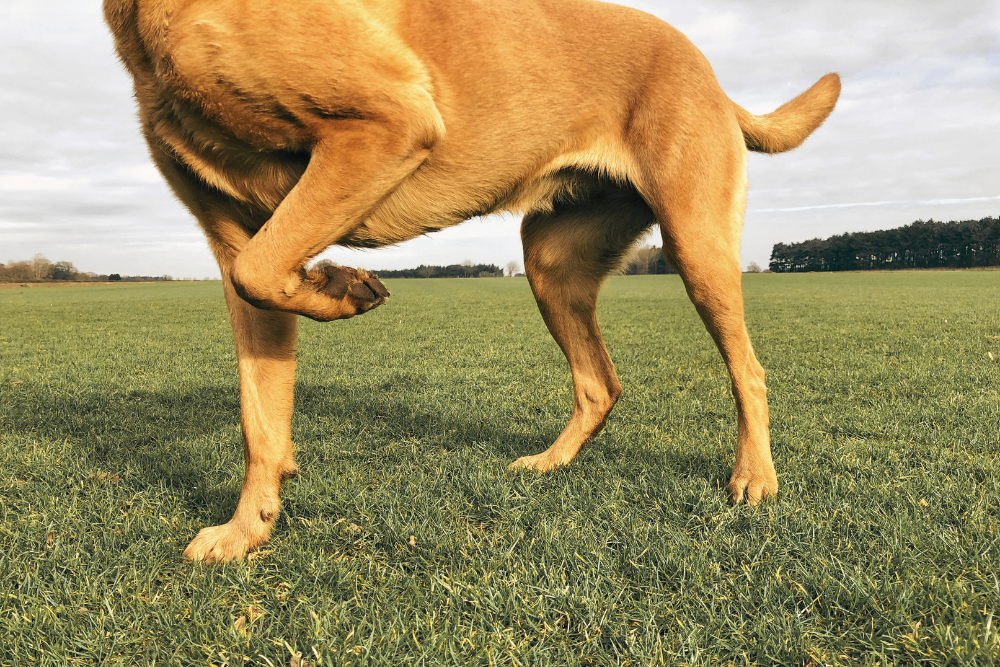
Pets rarely show pain the way people do, which means most owners miss it until it’s already become a chronic problem. Dogs and cats are hardwired to hide discomfort, an instinct inherited from their wild ancestors, where looking weak made them a target. The result is that pain in pets tends to show up as small, easy to dismiss changes rather than obvious limping or crying out.
Why Pets Hide Pain
Unlike humans, pets can’t tell you where it hurts or rate their discomfort on a scale of one to ten. Instead, pain shows up indirectly, through shifts in behavior, appetite, sleep, and mobility. This is especially true for cats, who are even better than dogs at masking discomfort. A cat with degenerative joint disease rarely limps. Instead, they may simply jump onto the counter less often, avoid the litter box because climbing in hurts, or stop grooming one side of their body as thoroughly.
Common Signs of Pain Owners Miss
A few of the more overlooked signals worth watching for include:
- Reluctance to jump, climb stairs, or get into the car
- Sleeping more, or choosing different, softer resting spots
- Appetite changes in either direction
- Excessive licking or grooming of one specific area
- Withdrawing from family interaction or hiding more than usual
- Panting when it isn’t hot
- Changes in litter box or bathroom habits
None of these signs are dramatic on their own, and that’s exactly the point. They’re easy to explain away as “getting older” or “just a mood,” when they may actually be a pet quietly telling you something hurts.
Joint Pain Often Starts Earlier Than Expected
Joint related pain, in particular, tends to be underestimated. Certain breeds, including German Shepherds, Labrador Retrievers, Golden Retrievers, and English Bulldogs, are more prone to developing hip or elbow dysplasia, a condition where the joint doesn’t form correctly and gradually wears unevenly. Early signs can appear well before a dog is considered a senior: a bunny hop style gait when running, hesitation before a jump they used to make easily, or a slower pace on stairs.
In cats, joint discomfort is often mistaken for normal aging, since cats compensate so well that visible lameness is rare even with significant joint changes.
How Veterinarians Find the Source of Pain
Because pets can’t describe their symptoms, diagnosing the cause of pain is often a process of elimination. A typical workup at a veterinary clinic may include a hands-on orthopedic exam to check range of motion and identify sore areas, bloodwork to rule out internal causes such as kidney disease, and x-rays to evaluate joints and bones directly. In some cases, chronic or treatment resistant skin conditions that cause discomfort may be referred to a board-certified veterinary dermatologist for more specialized testing.
Managing Pain Once It’s Identified
Pain management in pets is rarely a single solution. Depending on the diagnosis, a veterinarian might recommend a prescription anti-inflammatory, joint supplements such as glucosamine and chondroitin, weight management to reduce joint stress, or physical therapy and controlled exercise. The right combination depends entirely on the individual pet, which is why any pain management plan should be built with your veterinarian rather than guessed at home.
When to See Your Vet
If you’ve noticed even one or two of the signs above, it’s worth scheduling a visit. Catching pain early, whether it’s from an aging joint, an allergic skin condition, or something less visible, gives you more options and a better long-term outcome than waiting until the signs become impossible to ignore.
Your pet can’t tell you when something hurts, but their behavior usually will, if you know what to look for.